User login

Nature Reserves

Haga Haga

Haga Haga Nature & Game Reserve
Tel: 043-8411781
info@hagahaga.co.za

Dwesa / Cwebe

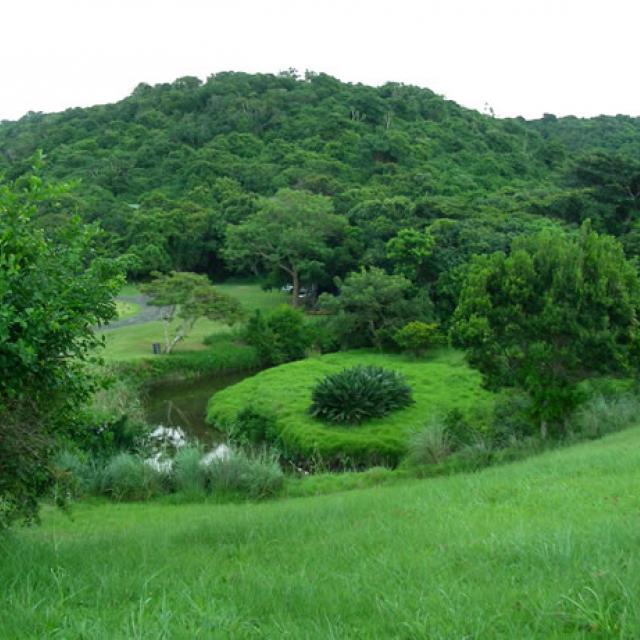
These two relatively small reserves, separated by the Mbashe River, are situated in the central Wild Coast. They are bordered on the one side by the Indian Ocean and on the other by rugged grasslands of the former Transkei. Both reserves are primarily covered by lowland forest but also support grasslands and acacia scrub. There are a total of 290 bird species recorded in the reserves, with at least a hundred to be found on a given visit. Being relatively under- birded, the number of known birds is ever increasing. Although a day will suffice in each reserve, at least three days is required/recommended to make the trip worthwhile.

Hluleka

The coast between the towns of Port St Johns and Coffee Bay is renowned for many beautiful lagoons, and one of the loveliest of the Wild Coast’s many parks - the Hluleka Nature Reserve. The beaches are punctuated with extraordinary rocky outcrops shaped into strange formations by the wind. In winter the indigenous forest is ablaze with the scarlet blossoms of the coral tree (Erithryna lysistemon).

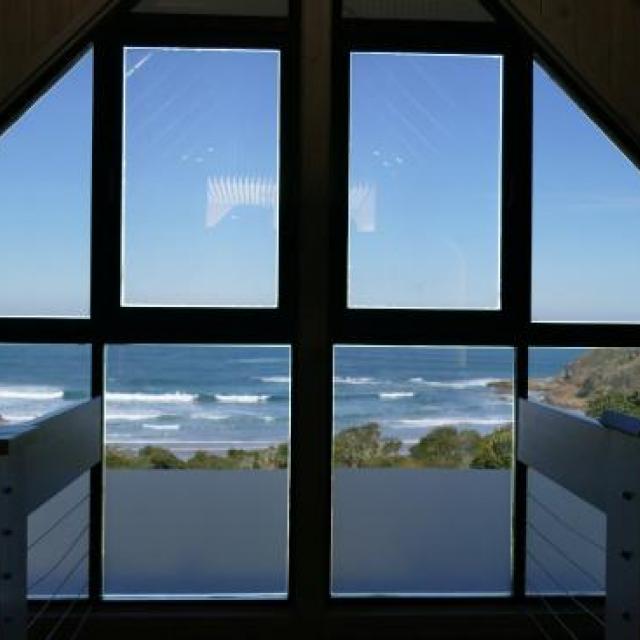
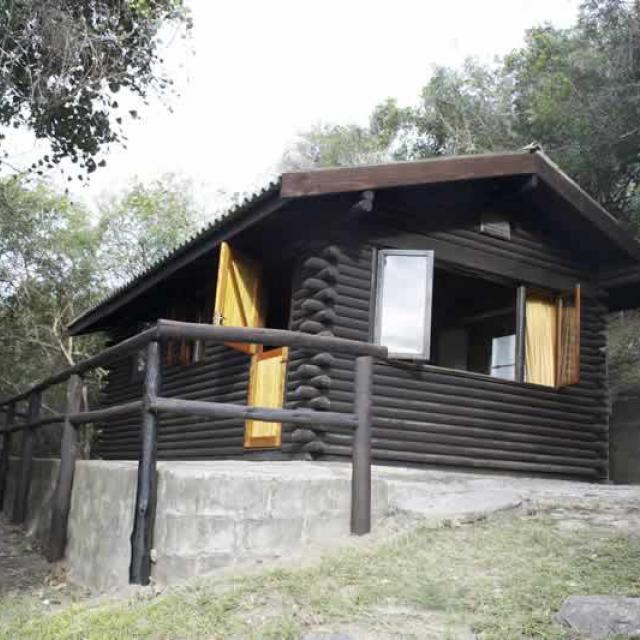
The reserve has accommodation in wooden chalets on stilts overlooking the sea. From the balconies you should be able to see hundreds of dolphins lazily dipping through the surf. There is a small shop.

Mkambati

Telephone: +27 (0)40 635 2115 or +27 (0)37 727 3124 or +27 (0)39 306 9000
Postal Address: Private Bag X1126, Port Elizabeth, 6000, South Africa

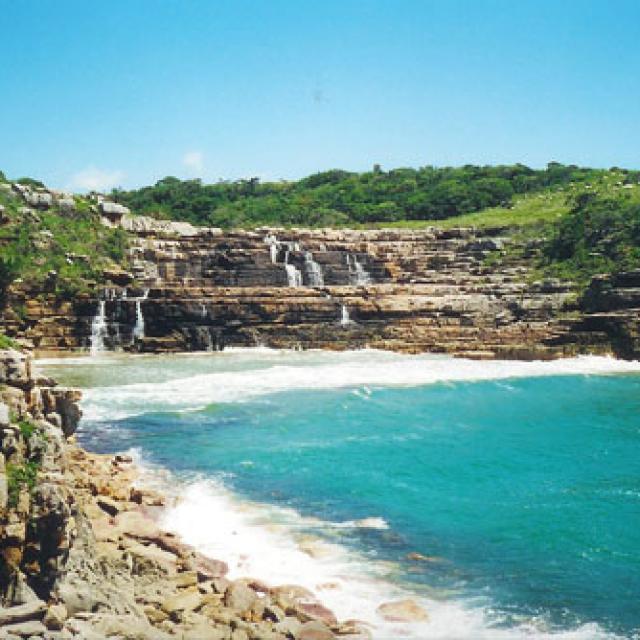
Visitors to the Wild Coast will find the scenic Mkambati Nature Reserve one of the highlights of their trip. Situated close to the KwaZulu-Natal border, the reserve's coastline stretches along 10km of rugged, rocky beaches, offering visitors a glimpse of unspoilt nature. Other scenic features include forested ravines, a swamp forest and splashing waterfalls.

Attractions

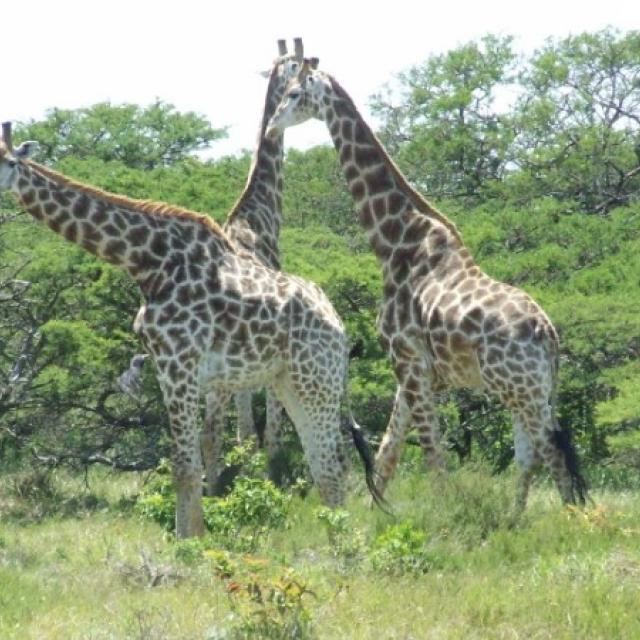
This 8 000 ha coastal reserve consists mostly of open grassland dissected by perenial streams and flanked by the magnificent forested ravines of the Msikaba and Mtentu rivers. Grasslands cover a large portion of the reserve and support a fascinating and diverse flora. Large numbers of grazing herbivores such as Eland, Red Hartebeest, Blue Wildebeest, Blesbuck and even Gemsbok, have been introduced into the grasslands, although only the first two species are indigenous to the area.

Silaka

This small but beautiful coastal reserve lies in a forested valley south of Port St Johns, and stretches from Second Beach to Sugarloaf Rock.

Trails lead through the evergreen forest and provide the opportunity to view elusive birds such as Knysna Loerie, Cinnamon Dove and Grey Cuckooshrike. The Gxwaleni River flows through the forest and you should look out for Halfcollared Kingfisher and Longtailed Wagtail at fast flowing stretches. Giant forest trees are clad in mosses, lichens and epiphytic orchids, while lilies bloom on the forest floor. Blue Duiker and Bushbuck are indigenous to the forest but are secretive and seldom seen.

Syndicate content